














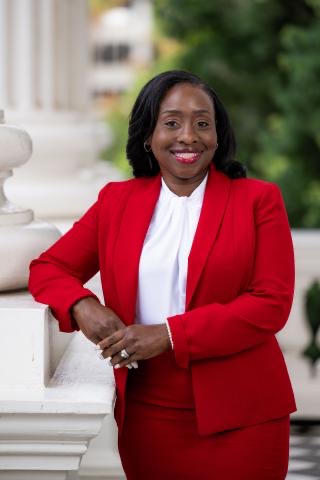
By Edward Henderson | California Black Media
Assemblymember Rhodesia Ransom represents the 13th Assembly District, which includes Stockton, Tracy and Mountain House.
With over 20 years of experience in public service, Ransom is a former Tracy city councilmember and an outspoken advocate for social justice, equitable education and economic empowerment.
Ransom currently serves as chair of the Assembly Emergency Management Committee and member of the California Legislative Black Caucas and lives in Tracy with her husband and three children.
Ransom spoke with California Black Media about her accomplishments and frustrations during 2025 and her vision for the new year.
What stands out as your most important achievement this year?
One of my proudest accomplishments this year has been establishing our casework program for constituents. We do a lot of work in Sacramento, but we’re just as focused on delivering for people at home. Our team helps residents navigate state agencies like the Franchise Tax Board and the EDD (Employment Development Department), and we’re often stepping in when people are dealing with real challenges and need results.
How did your leadership contribute to improving the lives of Black Californians this year?
As a member of the Black Caucus, my focus has been on repairing equity and justice throughout the state. Each year, thousands of bills are introduced in the Legislature, and this session alone we saw 2,350 proposals come through.
I see it as my responsibility to make sure every proposal I review moves California forward and creates opportunity for all, including Black Californians who have too often been left out of the conversation. My goal is to ensure that legislation does not reinforce existing inequities but instead advances opportunity. The Black Equity Collective is the engine behind that work.
What frustrated you the most this year?
The most frustrating part of this year has been the forced setbacks coming from the federal administration. We’ve had to shift our priorities to protect Californians from decisions that pull critical funding from disaster preparedness, schools, and other essential programs. Those cuts are costing California billions of dollars.
What inspired you the most this year?
Realizing that almost everyone in the building truly wants to do what’s best for Californians. That’s a good problem to have. Even when we have different perspectives or approaches, the shared commitment to improving people’s lives is what drives our work.
It reminded me how important it is to listen, learn, and collaborate. When we take the time to really listen with an open heart, we can build solutions that reflect the needs of all Californians.
is one lesson you learned so far this year that will inform your decision-making in 2026?
One lesson I’ve learned this year is that things are constantly changing. Bills and legislation move fast, and they are fluid by nature. It is important to understand that a bill will evolve throughout the process, and that is not a setback. It is an opportunity to make it stronger and more effective.
In one word, what is the biggest challenge Black Californians are facing currently?
Revisionism
What is the goal you want to achieve most in 2026?
In 2026, I want to keep pushing for solutions that make life more affordable for Californians. People are feeling the pressure of rising costs, and we’ve got to make it easier for working families to get ahead.
I’m also focused on investing in education and workforce programs, so our young people are ready for good-paying jobs and real opportunities. And with the federal funding cuts we’re seeing, it’s important that we protect our resources and cut through the red tape so we can keep delivering for Californians.