











By Joe W. Bowers Jr. | California Black Media
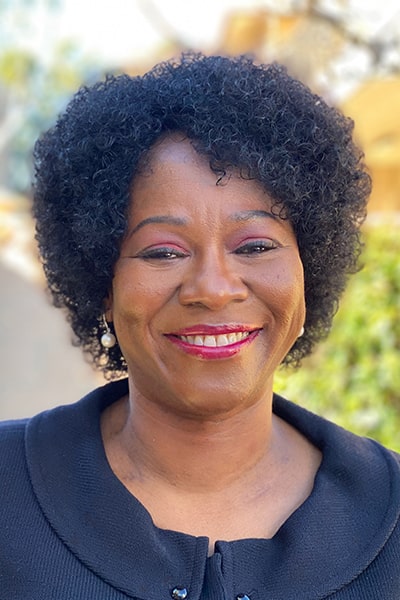
Assemblymember Tina McKinnor (D-Inglewood) represents California’s 61st Assembly District, covering areas including Hawthorne, Gardena, Lawndale, Venice, Westchester, and West Athens. As a member of the California Legislative Black Caucus (CLBC),
McKinnor has become a prominent voice in the Legislature. Elected in 2022, she chairs the Los Angeles County Legislative Delegation and leads the Assembly Public Employment and Retirement Committee. Before taking office, McKinnor served as a longtime civic engagement director, managed political campaigns, and worked as chief of staff for former Assemblymembers Steven Bradford and Autumn Burke. She brings deep experience in organizing, community advocacy, and policymaking — particularly on housing, reparations, education, and workers’ rights.
In 2025, McKinnor pushed forward legislation on renters’ protections, re-entry programs, reparations legislation, and efforts to support Inglewood Unified School District. She spoke with California Black Media to reflect on the year and her work. Here are her responses to seven key questions, edited for length and clarity.
Looking back on 2025, what do you see as your biggest win — the thing you’re proudest of getting done or moving forward?
Assembly Bill (AB) 628. If rent is $3,000, people should at least have a stove and a refrigerator. I thought it was ridiculous that people were renting without basic appliances, so making sure every rental unit includes them was important.
I’m also proud that I was able to secure $8.4 million in the state budget for people coming home from incarceration. That includes the Homecoming Project, the menopause program for incarcerated women, and the Justice Leaders Program. I want people to be able to come home and live — and not go back.
How did your leadership, the laws you worked on, and the initiatives you championed helped make life better for Black Californians this year?
As chair of the L.A. County Delegation, I made sure we were focused on bringing resources into communities that needed them. After the Eaton Fire, I pushed to get the same kind of support for affected areas that wealthier regions get after disasters.
I also did a lot of work building political power— establishing the Black Legacy PAC and California for All of Us PAC so we could support Black candidates and educate voters about what’s happening. We also called voters to make sure they understood Prop 50 and what it meant for representation.
People need to understand this: there are only 12 Black legislators in the Capitol. Folks act like we can just walk in and pass reparations, but that’s not how it works. The work I’m doing is about growing the Caucus and educating colleagues. That’s how you improve life for Black Californians.
What was the most frustrating challenge for you this year?
The governor did not have the political will to sign these bills: AB 57 and AB 62. They both passed overwhelmingly in the Assembly and the Senate. We did the work. The only person who didn’t have the political will to sign them was the governor.
I didn’t speak to him about why he didn’t sign them. The question now is for the public to ask the governor why he didn’t sign the bills. We can’t keep letting people off the hook. He has to answer that question.
I also introduced AB 51 — the bill to eliminate interest payments on Inglewood Unified School District’s long-standing state loan — held in the Appropriations Committee. That was frustrating, but I will keep working on it through the budget process.
What inspired you most in 2025?
The civil rights trip to Alabama was life changing. We visited the Legacy Museum and the National Memorial for Peace and Justice. We took members of the Black, Latino, Jewish, and API caucuses with us. It changed all of us.
People aren’t always against us — they just don’t know our history. Seeing colleagues understand our history in a deeper way gave me hope. It reminded me that the work of repair is possible.
What’s one lesson from 2025 that will shape how you approach decisions in the year ahead?
The legislative trip to Norway taught me that collaboration matters. Government, labor, and industry sit down together there. They don’t make villains. Everybody doesn’t get everything they want, but they solve problems.
Working in Sacramento also requires resilience. Some activists said things to Black legislators that were unforgettable. People yelled the vilest things at us. But we keep pushing. That’s the work.
If you had to sum up the biggest challenge facing Black Californians this year in one word, what would it be?
Inequity. It shows up in housing, wealth, stress — all these things people are carrying.
What’s the number one goal you want to accomplish in 2026?
My goals are to bring back AB 57 and AB 62, and to secure money for the Inglewood Unified loan interest forgiveness. Those are my three big buckets. And the next governor needs to answer whether they are going to support our reparations bills. That’s the question for the next governor.