


















By Quenton Turner-Gee
When I was rushed to the hospital in 2020 for heart-related concerns, I was initially diagnosed with hypertensive kidney disease—meaning the cause of my kidney damage was high blood pressure. In May 2021, my kidney function dropped to less than 15%. I immediately began dialysis treatments, and today, I continue to receive in-center hemodialysis three times a week.
When I wanted to know what caused my kidney disease and why it progressed so quickly, no one could tell me. I was told that I didn’t need to know.
That’s when I knew that I needed to strongly advocate for myself if I was going to get answers about my kidney disease. I persisted and sought out more information. I learned about genetic testing on my own from a virtual educational event. After going through genetic testing, the results revealed that I had the genetic variants that put me at risk for APOL1-mediated kidney disease (AMKD), a serious and rapidly progressive form of genetic kidney disease.
A lot of people thought I would be devastated by the diagnosis. But receiving those test results was like a rebirth. I now had a sense of my kidney identity.
Having the information equipped me with the knowledge to approach my doctor for further testing. Only after seeing the genetic test results did my doctor finally order a biopsy to confirm what the test told us. The biopsy showed scarring on the kidney that likely began when I was 18 years old and confirmed that I had focal segmental glomerulosclerosis (FSGS), a rare genetic kidney disease that can be associated with AMKD. While my treatment plan remains unchanged, this information could influence outcomes if I am able to receive a kidney transplant. I am working toward being placed on the transplant waitlist and am losing weight to meet eligibility criteria.
The diagnosis also enabled me to help my family be more proactive in their own kidney health. I encouraged my five siblings and parents to undergo testing. Those of us with ancestors from Western or central Africa, who may identify as Black, African American, Afro-Caribbean, Hispanic or Latino/Latina, are more likely to have APOL1 risk variants.
As someone living with end-stage kidney disease and a genetic form of a rare kidney disease, I’ve learned just how deeply our genes can shape our health. Many people, especially in the Black community, don’t know they could carry mutations in the APOL1 gene that raise the risk of developing AMKD. This isn’t just about statistics. It’s about us, our families, our futures and our right to early diagnosis, better care, and a fighting chance.
I’m proud to stand with the American Kidney Fund (AKF) to help spread the word about AMKD and APOL1-Mediated Kidney Disease (AMKD) Awareness Day on April 28, an annual campaign to educate communities, healthcare providers, and patients about this serious genetic kidney disease impacting people of West and Central African descent. Knowing your risk today can help you take action now to protect your kidney health. More information about AMKD, including resources to share widely, can be located at KidneyFund.org/APOL1Aware.
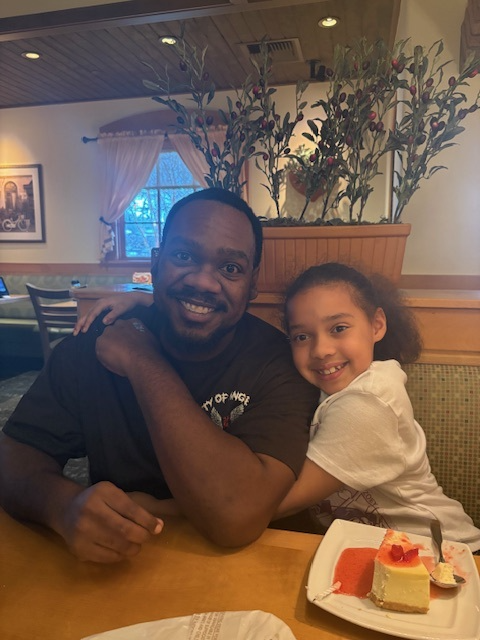
Quenton Turner-Gee is a husband, father and resident of Richmond, VA.