














By Edward Henderson | California Black Media
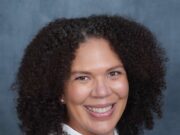
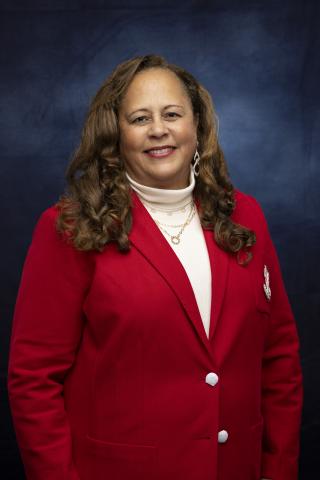
Elected in November 2024 to represent California’s 35th Senate District in the Los Angeles area, Sen. Laura Richardson (D-San Pedro) brings decades of experience in public service to her role.
Before entering elected office, she served as a legislative staffer at the local, state, and federal levels and built a strong academic foundation, earning a political science degree from UCLA and an MBA from USC — while working full time.
Richardson remains deeply committed to empowering residents, strengthening neighborhoods, and supporting the local economy—priorities that continue to guide her work in the State Senate as she reflects on her first year in office.
For example, SB 748, a bill she authored that Gov. Newsom signed into law this year, allows cities to use existing homelessness funds to clear unsafe RV encampments, and another measure aimed at expanding provider access for Medi-Cal patients.
California Black Media (CBM) spoke with Richardson about her successes and disappointments over the past year and her plans for 2026.
What stands out to you as your most important achievement this year?
Being number one in getting the most bills signed by a freshman senator. Our team and staff were able to effectively move legislation through committees in both the Senate and Assembly and gain the governor’s support. The fact that we came in number one speaks to the quality of the work we’re bringing forward.
How did your leadership and efforts contribute to improving the lives of Black Californians?
Securing overall agency support from the governor to begin the work of understanding and documenting descendants of slavery. The discussion around “40 acres and a mule” will be ongoing for many years, but moving forward with creating an agency—although not fully funded—was significant. You need an organization to do the work. They were baby steps, but they were steps.
What frustrated you the most this year?
The administration. Even though federal and state roles differ, California has its own values and priorities. When the federal government makes cuts that impact Californians, the state legislature feels the need to backfill to protect people. It was challenging and frustrating because we already have a lot on our plate without adding federal challenges. For example, we paid on the front end for wildfire work done by the Army Corps and other agencies, and we have yet to receive reimbursement from the federal government. That makes it harder for us to prioritize Californians.
What inspired you the most this year?
SB 237, which I was a joint principal author on, inspired me. It dealt with fuel stability. Two refineries closed, and several others are barely hanging on. Even as we work toward zero emissions, we still need a certain amount of fuel. SB 237 opened up some of the fuel potential in Kern County, and there’s a pipeline from Kern County down to my district that helps maintain fuel stability.
What is one lesson you learned this year that will inform your decision-making next year?
Engage the governor’s staff earlier. When you approach them about legislation, they often say, “Talk to us once you’re out of the House of Origin,” which in my case is the Senate. But by the time they engage, if they have amendments or concerns, it may be too late. I’m going to push to involve the governor’s legislative staff sooner, so we have a clear sense of not only what senators think but also what the governor thinks.
In one word, what is the biggest challenge Black Californians are facing right now?
Affordability. No matter how much you make, everything is more expensive—gas, groceries, insurance, mortgages. Costs keep rising while salaries don’t. This is especially alarming for seniors who see small increases in income while costs rise by 10–18%. These are tough days. Even during the holidays, I see fewer people in stores and more products left on shelves. People are very careful about how much they spend.
What is the goal you want to achieve most in 2026?
My number one legislative priority is finishing and creating a process for dealing with abandoned cemeteries. For the district, my goal is ensuring people know more about the services and programs available to them. There’s a lot out there, but many people don’t know what they can access. We want to capture these resources so people can stretch their dollars.
The last piece—not specific to this year but building toward the future—is figuring out how people and businesses in the district and in California can participate in major events like the Olympics, FIFA, and the Super Bowl, all of which are taking place here. People want to know how they can contribute value to these events, and that hasn’t been clearly established yet.