




By Myshjua Allen Murray for WSS News, Arts, Entertainment & Culture
June is both Black Music Month and Caribbean American Heritage Month — two celebrations that share deep cultural roots. In honor of both observances, Westside Story Newspaper will feature a series of weekly articles exploring the impact of Caribbean Americans on music, culture, and entertainment.
This week, we begin with a look at the profound influence Caribbean Americans have had on Black music in the United States.
From jazz clubs in Harlem to sound systems in the Bronx, Caribbean Americans have helped shape the soundtrack of Black America for more than a century. Their influence can be heard in jazz, calypso, soul, reggae, disco, hip-hop, dancehall, R&B, and pop music — genres that continue to define global culture today.
By the early 1900s, calypso music from Trinidad had already begun reaching American audiences through commercial recordings and growing Caribbean immigrant communities in cities like New York. In Trinidad, calypso tents served as cultural gathering spaces where singers used music to tell stories, comment on politics, and entertain Carnival crowds. Those traditions would later travel with Caribbean immigrants to the United States. By the late 1930s, calypso stars like Lord Invader and Roaring Lion were gaining international attention as American record labels brought Caribbean artists to New York to record music and perform in nightclubs.
One of the earliest examples of cultural appropriation in popular music came when Lord Invader’s song “Rum and Coca-Cola” was adapted and recorded by the Andrews Sisters in 1945 without proper credit or compensation. Lord Invader later won a landmark copyright lawsuit, helping establish important protections for songwriters and composers.
In the 1950s, Jamaican-born singer and actor Harry Belafonte brought Caribbean music into mainstream American culture. His groundbreaking 1956 album Calypso became the first album in history to sell more than one million copies in a single year. Songs like “Day-O (The Banana Boat Song)” introduced many Americans to Caribbean rhythms and storytelling traditions for the very first time.
As Caribbean immigration to the United States continued to grow, so did the influence of Caribbean music and culture. In the 1960s and 1970s, Jamaican artists like Jimmy Cliff helped introduce ska and reggae music to American audiences through songs like “Wonderful World, Beautiful People.” Soon after, Bob Marley & The Wailers and Third World transformed reggae from a regional sound into a global musical movement rooted in spirituality, social justice, and Black liberation.
Caribbean influence also reached soul, funk, and disco music. Jamaican-born singer Carl Douglas scored a worldwide hit with “Kung Fu Fighting,” while Bahamian-American funk group T-Connection brought Caribbean flavor to dance floors with hits like “Do What You Wanna Do.” In 1981, journeyman Jamaican singer Denroy Morgan’s hit single “I’ll Do Anything For You” took America by storm, breaking into the Billboard Pop Top 40, R&B Top Ten, and held the Number One spot on the Dance chart.
At the same time, Caribbean culture was helping give birth to an entirely new American art form: hip-hop.
In August of 1973, Jamaican-born DJ Kool Herc hosted a now-legendary party in the Bronx, New York, where he used his experience with Jamaican sound systems to extend percussion breaks for dancers. Those techniques — looping breaks, ”toasting” over records, massive speaker systems, and DJ-centered performances — became the foundational elements of hip-hop culture. Early pioneers like Grandmaster Flash and Afrika Bambaata also helped shape the genre’s sound, style, and technical innovation.
Throughout the 20th century, Caribbean Americans continued to leave their mark on Black music across multiple genres. Trinidad-born pianist and entertainer Hazel Scott broke racial barriers in jazz, film, and television, becoming the first Black American woman to host her own nationally syndicated television show. Beyond her musical accomplishments, Scott was also an outspoken advocate for civil rights and equality during segregation.
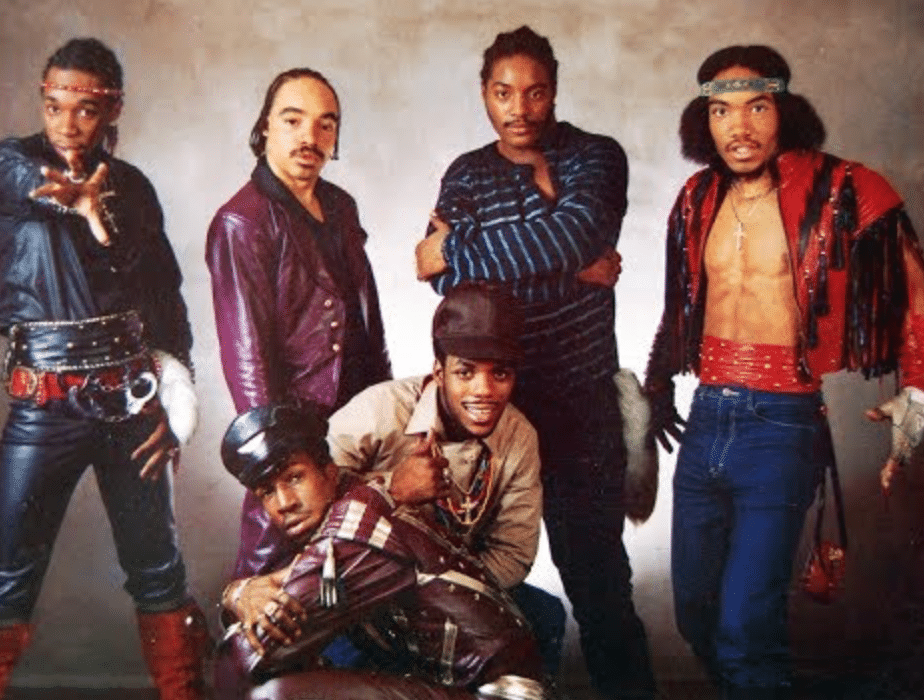
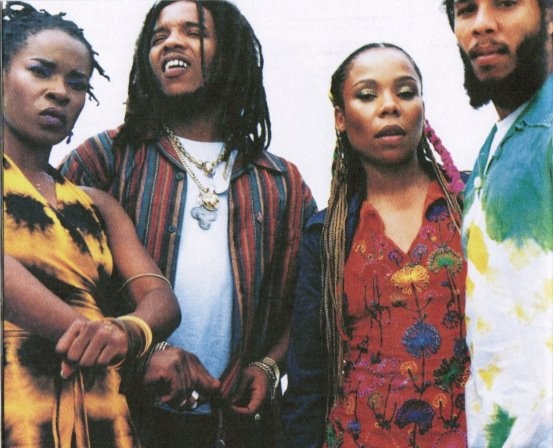
By the 1990s, reggae and dancehall music had become major forces in mainstream American culture. Artists like Shaggy, Sean Paul, Beenie Man, Diana King, Ini Kamoze, and Ziggy Marley & The Melody Makers helped push Caribbean sounds onto radio stations, music television, and dance floors across America.
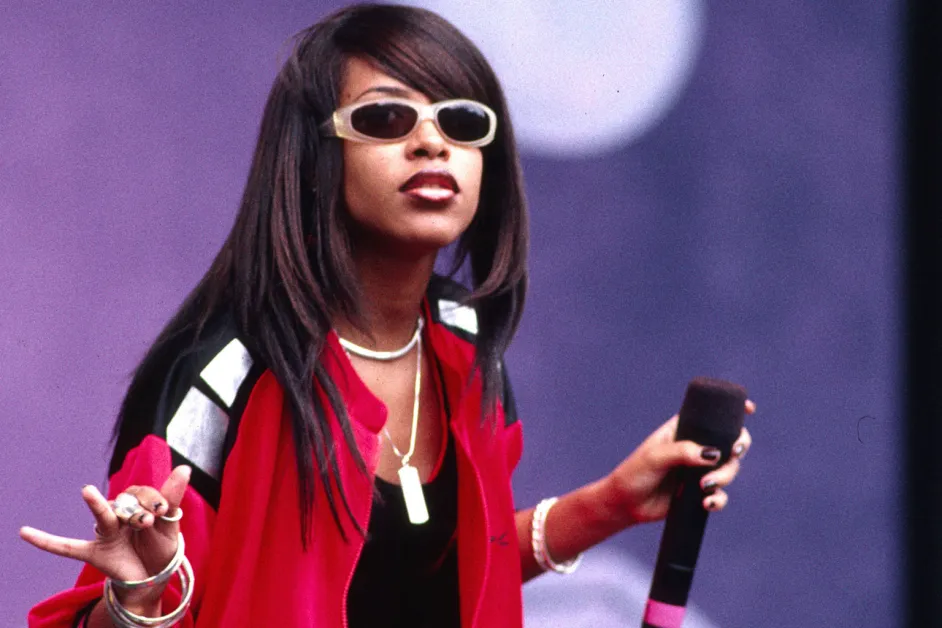
Caribbean heritage also remains deeply woven into R&B, soul, and pop music through artists like Aaliyah, Alicia Keys, Rihanna, Grace Jones, Wyclef Jean, Faith Evans, Maxwell, and Heather Headley, whose careers reflect the continuing fusion of Caribbean identity and Black American music traditions.
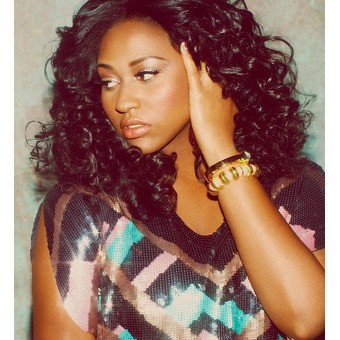
Today, a new generation of artists continues to carry that legacy forward. Artists like Jazmine Sullivan, Cardi B, ASAP Rocky, Masego, and Teyana Taylor continue to blend Caribbean heritage with contemporary Black music in ways that influence audiences around the world.
Caribbean Americans did not simply contribute to Black music in America — they helped redefine it. From calypso and jazz to reggae, hip-hop, soul, and global pop, their rhythms, creativity, and cultural traditions continue to shape the sound of modern music across generations.
Check out our playlist of Caribbean and Caribbean-American artists, “Island Rhythms With Love,” on YouTube.
About Myshjua Allen Murray ~ A “California girl with Southern roots and an island twist,” Myshjua is a creative/cultural entrepreneur who believes that “we are all Spiritual Infuencers with the ability to shift rooms by how we show up.” A self-describe “work-in-practice, she uses her voice and vision to bridge creativity, culture, and purpose through music, community development, legacy projects, and storytelling that uplifts and connects. Follow her on substack.com @myshjuamurray