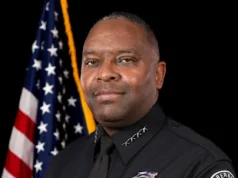













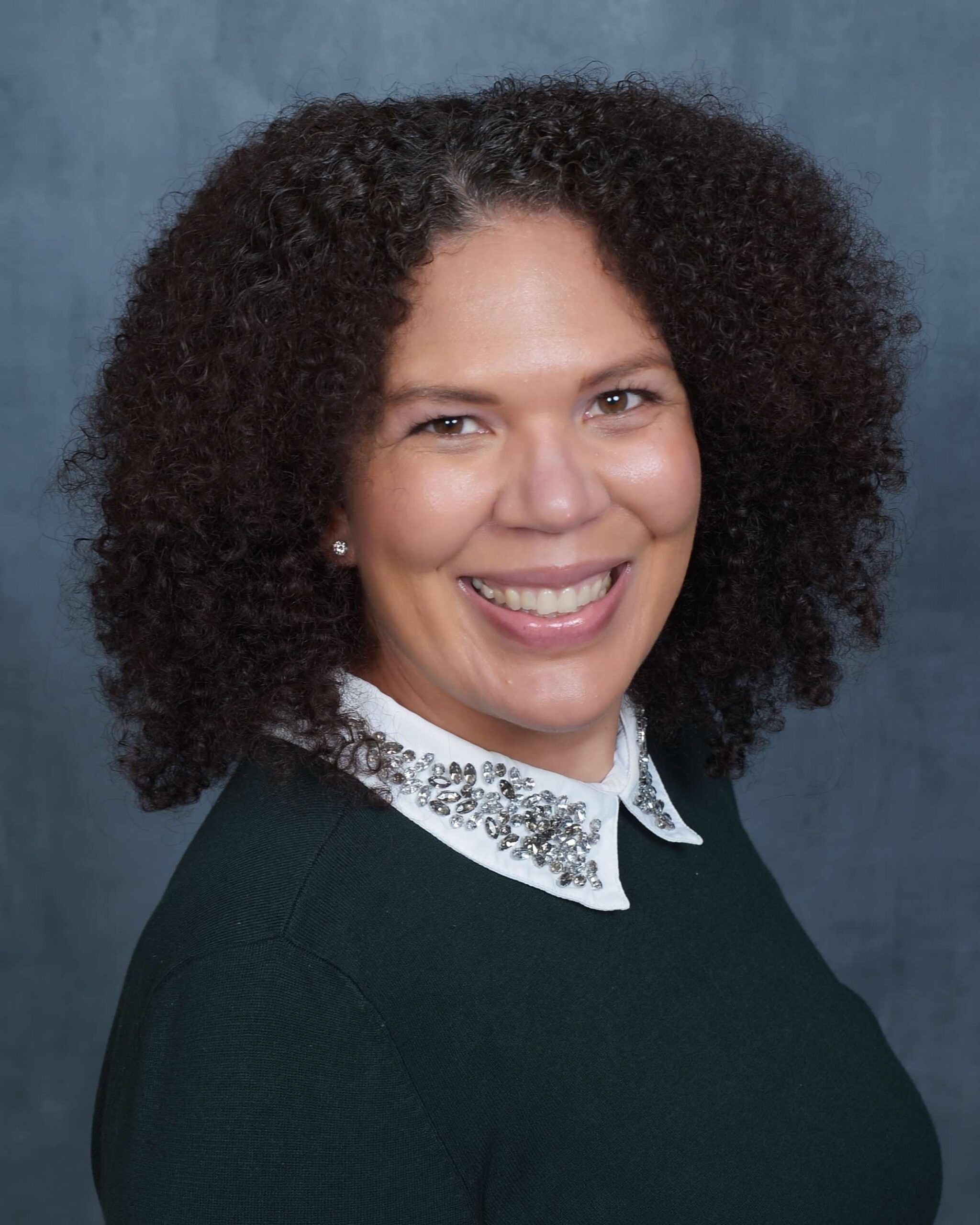
By Kimberlee Vaye, Assistant Director and Equity Officer, California New Motor Vehicle Board
Every day, we depend on our cars to get us places: to and from work, taking our kids to school, and more. But what many don’t realize is that millions of cars on U.S. roads have open safety recalls. These risks increase in the Black community because of higher rates of commonly held myths about open vehicle safety recalls among Black vehicle owners.
I am excited to partner with the Office of Traffic Safety and Caltrans for Vehicle Safety Recalls Week (VSRW), March 2–8. We want Californians to know there are over 5.4 million open recalls, including 115,000 “Do Not Drive” notices—the most serious kind. This notice means the car is unsafe, and you should stop driving it right away and have it towed for repair.
As we recognize VSRW, I want to speak to Black families. I know firsthand life comes with many stressors. When you’re juggling work, bills, and childcare, checking for a vehicle safety recall can feel like “one more thing.” But a recall is not a small issue. It can be a defective airbag that could explode, a seat belt failure, or other critical parts that need to work when you need it most. These dangers can harm not only the driver, but also passengers, people walking, riding bikes, using public transportation, and others using roads.
As the Assistant Director and Equity Officer at the New Motor Vehicle Board, I understand the barriers and challenges our community faces. Many Black families rely on older cars. Sometimes there’s only one car in the household, and you can’t afford to be without it. Maybe the dealership is far away. Maybe the recall notice never reached you. These are real challenges that deserve real solutions.
That’s why Check to Protect is so important. Check to Protect is a national program through the National Safety Council that allows drivers to check for open safety recalls and schedule free repairs. It takes less than 60 seconds to visit CheckToProtect.org, enter your license plate or VIN, and see if your car has an open recall. You can even set reminders to check for recalls every three months. Rest assured; your information is only used to check the recall status.
And here’s what many people don’t know: recall repairs are always free. No matter how old the car is, its ownership history, or where it was purchased. Manufacturers are required by law to fix the problem for free. You can also ask the dealer important questions, including: Is the part available? How long will it take? Can I keep driving until the part arrives? Do you offer loaner vehicles or shuttles? Even if the answer is no, you have the right to ask.
I want us to think about recalls as an act of love. We take steps every day to protect our families—locking our doors, buckling our seat belts, and checking on older family members. We also take steps to ensure our vehicles are maintained properly, like changing windshield wipers, checking oil levels, and brakes. A vehicle safety recall repair is another step to make sure your vehicle is road-ready and safe. Checking and fixing recalls are a gift of peace of mind. It says, “My life matters. My family’s life matters.”
Safety is a right, not a privilege. And every Black family deserves to be safe on the road.
Check today. Share the message. Protect the people you love.
Visit www.gosafelyca.org for more informational resources and tips to stay safe on the go.